

Energy Renovation in Colmar
In Colmar, energy renovation must take account of a highly varied built heritage: half-timbered houses in the historic centre, Alsatian timber-framed buildings, co-owned buildings from the 1960s to the 1980s and more recent detached houses across the urban area. In Haut-Rhin (68), cold winters make insulation and heating important, while hot summer periods also make summer comfort worth considering. GRAM Énergie supports you in structuring a project suited to the property, its architecture and its actual condition. The works may concern the loft, roof, walls, windows, ventilation or equipment, with an approach designed to maintain consistency between comfort, energy and the characteristics of the building.
Tip: have your energy performance certificate (DPE) and energy bills to hand for a more accurate estimate.
Why renovate your home in Colmar
Colmar’s historic centre has a high concentration of half-timbered houses and protected façades. In this protected area, a renovation cannot be approached in the same way as in a recent detached house. Façades, roofs and windows and doors may be subject to particular constraints, which directly influence insulation or window replacement solutions. Where the external appearance must be preserved, the project may favour certain internal interventions, treatment of the loft or improvements to the heating system rather than visible changes to the façade. The architectural quality of the building must therefore remain part of the energy strategy.
Older Alsatian houses also require specific attention. Their timber structure, the infill between the timber framing and alterations carried out over time create configurations that are very different from a contemporary house. The walls must be understood before insulation is selected, particularly to avoid disrupting moisture transfer. Poorly adapted internal insulation can alter the behaviour of the substrate or unnecessarily reduce the living area. The works must also take account of the roof, loft and windows in order to create a coherent whole rather than treating a single area without an overall view.
Colmar Agglomération also includes housing estates, detached houses and co-owned buildings constructed in more recent periods. In a flat from the 1960s to the 1980s, some works relate to the property, while the external walls, roof or certain equipment may depend on the co-ownership. In a house within the urban area, the project may focus more on insulation, windows, heating or the loft. Alsace’s climate also means that performance must be considered throughout the year: limiting heat loss in winter remains essential, but managing solar gains and indoor heat also matters for summer comfort.
Owners may therefore face very different situations between central Colmar and the surrounding communes. An energy renovation project must be defined according to the type of construction, any heritage protections, the condition of the equipment and how the property is used. Climaxion, the Grand Est regional programme, and France Rénov’ are among the public schemes that can provide advice and information. Their support can complement preparation of the works, particularly by helping owners understand grants and procedures before requesting quotations from companies or tradespeople.
In Colmar’s older buildings, insulation solutions must take account of the structure, roof and existing windows and doors.
Our services in Colmar
Global energy renovation
A global energy renovation makes it possible to coordinate several works within the same project: insulation, heating, ventilation, hot water and controls. In Colmar, this approach can be useful when an older house or flat has several weaknesses at the same time. It helps define an order of intervention, prepare the works and avoid an initial improvement making the other areas more difficult to address later.

Heat pump
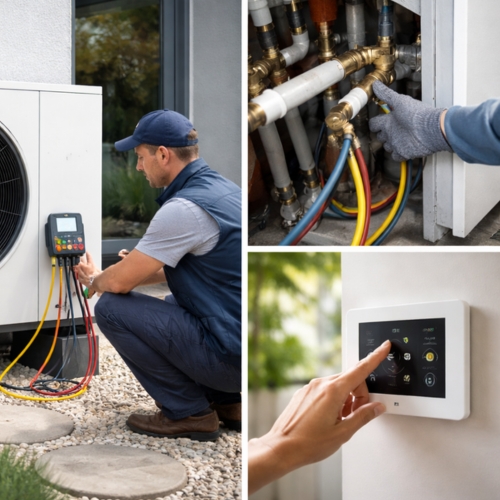
A heat pump can be considered when the heating system needs to evolve. Its suitability depends on the level of insulation, existing heat emitters, thermal requirements and the available space. In a house in the centre or in a co-owned building, installation may also be influenced by the architecture or collective rules. The equipment must therefore be selected in a way that is consistent with the overall energy project.
Insulation
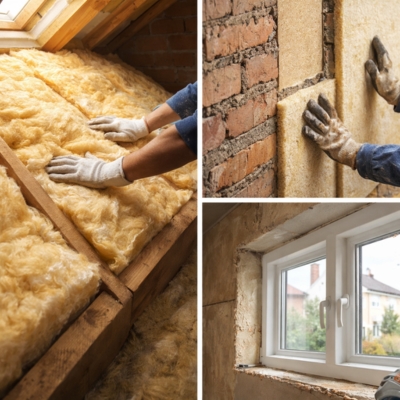
Insulation works may concern the loft, walls, roof or certain floors. In a timber-framed house, the choice of materials must respect the behaviour of the walls and moisture management. In a more recent co-owned building, other solutions may be considered. The aim is to limit heat loss while maintaining an intervention suited to the type of building.
Thermodynamic water heater
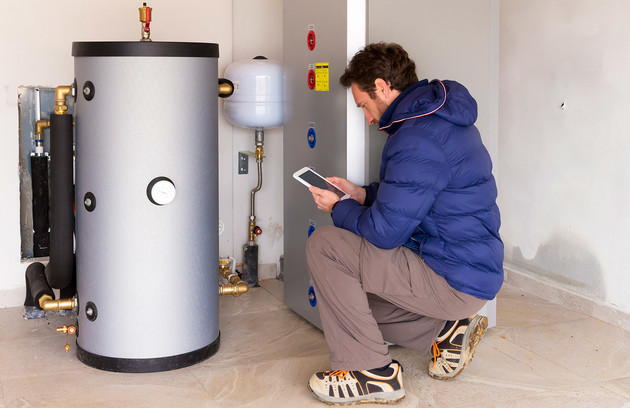
A thermodynamic water heater can be considered for domestic hot water production. Its installation requires a compatible location, suitable connections and sufficient space. In a house or flat, its integration must be considered alongside the other equipment in order to preserve everyday use and the overall energy consistency of the property.
Energy audit
An energy audit makes it possible to compare several scenarios and identify priority areas. It examines the building envelope, heating, consumption and equipment before the works are defined. In Colmar, this assessment can be particularly useful where an older building, its architecture or a co-owned property creates several constraints at the same time. It then makes discussions with a company and preparation of quotations easier.

Mechanical ventilation
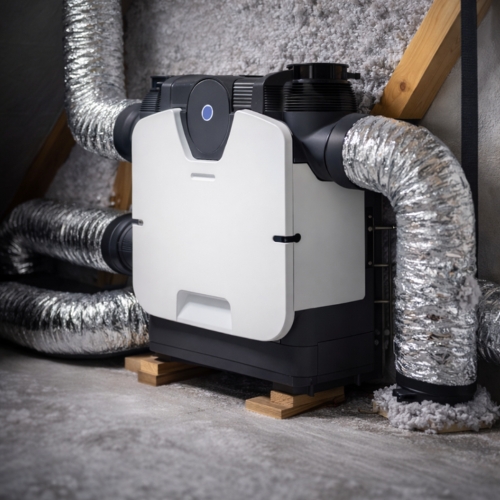
Ventilation must be examined when windows become more airtight or when the walls and roof are better insulated. Suitable mechanical ventilation contributes to air renewal and moisture management. In an older Alsatian house, it must be incorporated into the works without ignoring the behaviour of the walls. In a flat, the available options may depend on the configuration of the building.
Smart thermostat
A smart thermostat makes it possible to adjust heating according to schedules, rooms and occupancy habits. It can contribute to better energy management, but does not replace necessary works on a poorly performing building envelope. Its usefulness depends on the type of equipment in place and the level of renovation already achieved in the property.
Typical projects in Colmar
Half-timbered house in the historic centre
The project may combine internal insulation, treatment of the loft, window improvements and adaptation of the heating system while respecting constraints relating to the façade and roof. Project management may be involved depending on the scale and complexity of the works, without being systematic. The works must preserve the architecture and remain compatible with the timber structure.
Flat in a co-owned building from the 1960s to the 1980s
Owners must distinguish private works from those relating to the co-ownership. Internal improvements, windows or certain equipment can be considered at flat level, while external walls, the roof or a communal installation require a broader decision. This division of the scope makes it easier to organise the project, quotations and discussions with tradespeople.
Detached house in Colmar Agglomération with loft and windows requiring improvement
In this situation, renovation may concern roof insulation, replacement of certain windows and changes to the heating system. The project should also consider summer comfort, particularly in rooms exposed to the sun. A coherent combination of solar protection, ventilation and the building envelope can limit overheating without separating winter requirements from summer ones.
Grants for your works in Colmar
Several grants can be considered as part of an energy renovation: MaPrimeRénov’, the CEE (energy savings certificates) scheme, reduced VAT and the éco-PTZ (zero-interest eco-loan). The conditions depend on the property, the type of works and the owners’ situation. Certain grants require the use of an RGE-certified professional. Financing should therefore be considered after the content of the project has been defined rather than selecting interventions solely according to a grant or available scheme.
Climaxion, the Grand Est regional programme, and France Rénov’ can provide private individuals with advice on existing schemes and possible pathways. Their support complements assessment of the works and can help prepare a financing application more effectively. Depending on the project, tradespeople or a company can then prepare quotations corresponding to the scope actually selected. To present your situation to GRAM Énergie, use the contact page. You can also consult France Rénov’ to check grants and their conditions.
Grants must be checked according to the project, property, owners and planned works.
How we work

Assessment of the building
We identify the type of property, its architecture, equipment, consumption and works already carried out.

Analysis of priorities
The loft, roof, walls, windows, ventilation and heating are examined to identify the most important areas.

Building the project
Solutions are compared according to the building, local constraints, the comfort being sought and thermal requirements.
Preparation of the works
The interventions are put into order and requirements for quotations, tradespeople or support are clarified before implementation.

Monitoring the stages
The organisation aims to maintain consistency between the planned renovation, grants examined, decisions taken and works undertaken.
We also work across Grand Est
GRAM Énergie also supports renovation projects in Mulhouse, Strasbourg and Nancy. To view the other areas of the département, go to the page dedicated to energy renovation in Haut-Rhin. The page dedicated to energy renovation in Grand Est provides access to the other areas of the region.
Frequently asked questions
How can a half-timbered house be improved without altering its façades in Colmar?
The project must begin with the existing structure and the constraints of the protected area. Internal insulation, treatment of the loft or heating improvements may sometimes be preferred where the façade must remain unchanged. The materials must also be compatible with the older walls and timber structure in order to preserve the way they perform.
Should summer comfort be included in a renovation in Colmar?
Yes. Even though winters are cold, hot periods can cause overheating in certain rooms. The roof, insulation, windows, solar protection and ventilation influence this comfort. The project should therefore consider thermal performance throughout the year rather than focusing only on winter heating.
How should works be organised in a co-owned building from the 1960s to the 1980s?
Private interventions must be separated from those concerning the entire building. External walls, the roof or certain equipment may fall under the co-ownership, while other works remain the responsibility of owners within their flats. This distinction makes decisions, quotations and preparation of grant applications easier.
Is project management always necessary for renovation in Colmar?
No. Its involvement depends on the nature, scale and complexity of the works. Some projects may require more extensive coordination, particularly where several trades or architectural constraints are involved. Other more targeted renovations may follow a different organisation. The requirement must therefore be assessed on a case-by-case basis.
What should you prepare before requesting support for an energy renovation in Colmar?
Gather energy bills, available surveys, information about the heating system, works already carried out and, in a co-owned building, useful documents relating to the property. For a house in the centre, known constraints affecting the façade or roof are also useful. To send your request to GRAM Énergie, use the contact page.
Let’s talk about your project
Tell us about your home and your goals: we help you prioritise the works and identify the grants worth looking into.