Wall insulation: comfort and energy savings
Well-chosen insulation reduces heat loss, improves thermal comfort and can lower heating consumption. Compare external and internal wall insulation, explore materials and understand the process.
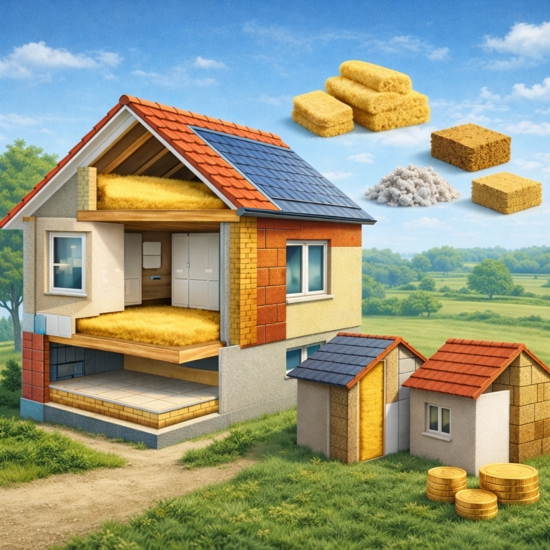
Context and goal
Primary intent: informational. This page helps you understand house wall insulation, compare options and plan your renovation works with confidence.
- Explain key insulation materials (standard and eco-friendly options).
- Compare External Wall Insulation (EWI) vs Internal Wall Insulation (IWI).
- Describe the process, typical cost factors and how to request a quote.
- Encourage readers to contact professionals for an assessment and tailored advice.
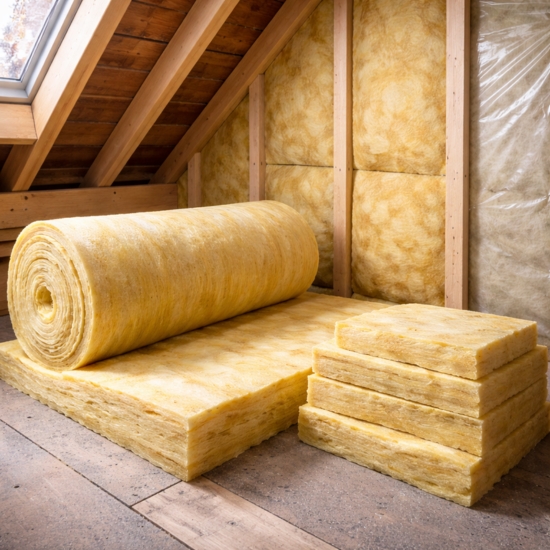
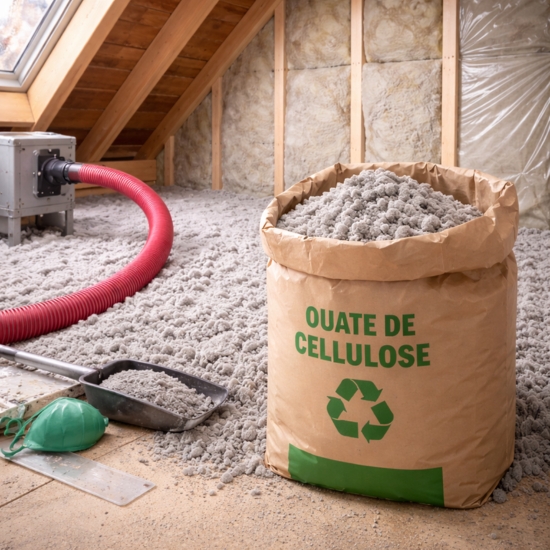
Insulation materials: standard & eco-friendly
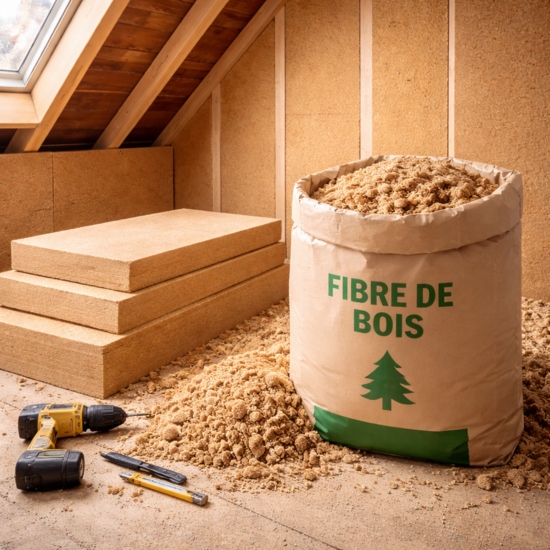
The right material depends on wall type, moisture risk, required performance and the chosen technique (EWI/IWI). Here are the most common options.
EWI or IWI: which technique should you choose?
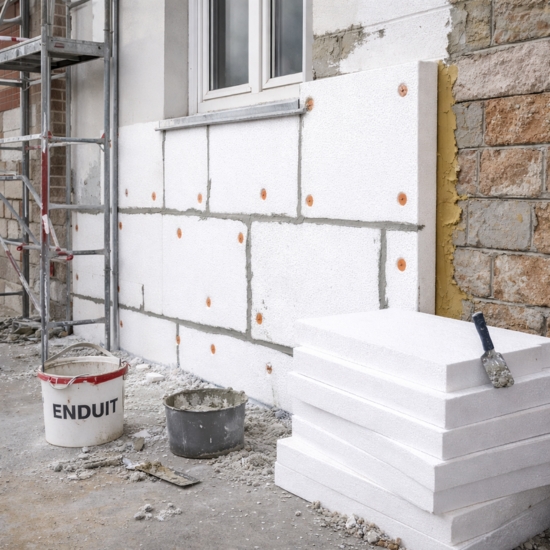
Two main methods exist: insulating from the outside (EWI) or from the inside (IWI).
EWI – External Wall Insulation
- Highly effective against thermal bridges.
- No loss of internal floor area.
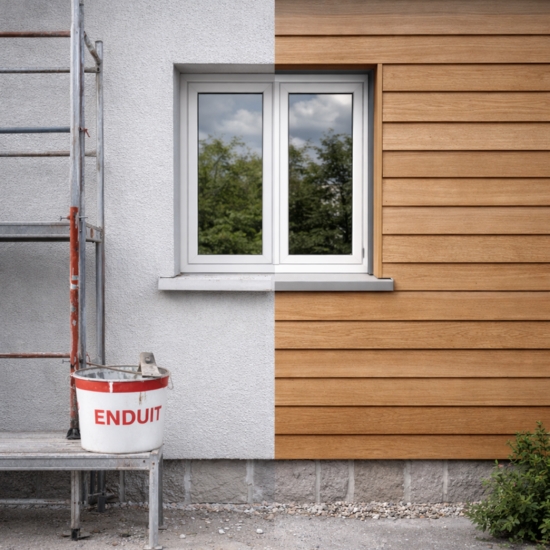
- Finishes: render or cladding.
- Often higher cost due to façade prep/scaffolding.
IWI – Internal Wall Insulation
- Often quicker and easier to implement.
- May slightly reduce usable space.
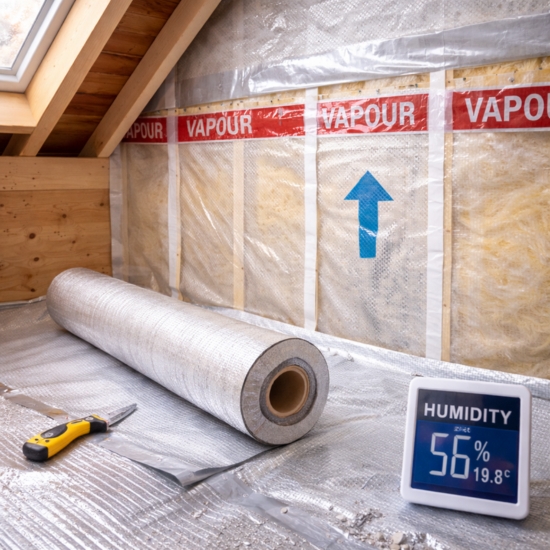
- Moisture/vapour control can be required.
- Useful when the façade cannot be modified.
Process: how the works usually happen
- Assessment: wall type, home condition, humidity risk, thermal bridges.
- Choice: technique (EWI/IWI) + insulation materials.
- Quotation: budget, timeline, options (render, cladding, framing).
- Installation: correct build-up, junction detailing, vapour control if needed.
- Finishing: façade finish or internal finishing, checks and handover.
Cost, support & savings
Cost varies with surface area, technique, materials, façade condition, access/scaffolding and finishing. A simulation helps you estimate your project and plan next steps.
FAQ – Wall insulation
Clear answers to choose the right option (EWI / IWI), estimate cost and understand the process.
Why insulate walls?
Wall insulation improves comfort, reduces heat loss, and can significantly lower heating consumption.
EWI or IWI: which is best?
EWI is typically best for reducing thermal bridges. IWI can be simpler but needs proper moisture and vapour management.
Which materials are commonly used?
Mineral wool, polystyrene (often for EWI), wood fibre and cellulose-based options—chosen based on walls and constraints.
How to reduce thermal bridges?
Treat junctions (floors/ceilings/windows/corners) and use the right system. EWI usually performs best here.
How much does it cost?
Cost depends on area, method, materials, façade state and finishing. A simulation helps estimate a realistic budget.
Do I need a vapour barrier?
Sometimes—especially with IWI. The correct vapour control layer depends on the wall build-up and humidity risk.
How long will the works take?
It depends on size and method: IWI can be staged room by room; EWI often needs scaffolding and façade prep.
What’s the next step?
Request a simulation to assess your home, compare solutions and plan the most suitable insulation approach.