

Energy Renovation in Metz
In Metz, energy renovation must adapt to a highly varied built heritage: older buildings in the centre, Jaumont stone façades, properties in the Imperial district, terraced Lorraine houses and more recent detached homes. In Moselle (57), cold winters make the condition of the building envelope, heating and control of heat loss particularly important. GRAM Énergie supports you in building a coherent approach based on the actual characteristics of the property, its energy consumption and its existing system. Insulation, ventilation, heat production and controls must be coordinated to improve energy efficiency without applying the same solutions to every type of construction.

Tip: have your energy performance certificate (DPE) and energy bills to hand for a more accurate estimate.
Why renovate your home in Metz
The historic centre of Metz is distinguished by its Jaumont stone façades, an ochre limestone characteristic of the city. In these buildings, walls can be thick and behave very differently from those in more recent construction. Poorly chosen insulation can disrupt moisture transfer or conceal an existing problem. Before work begins, the composition of the walls, their condition and their exposure must therefore be understood. Energy renovation suited to older buildings favours an approach compatible with the stone, ventilation and existing finishes rather than a standardised treatment.
The Imperial district, also known as Nouvelle Ville, includes many buildings constructed in the early 20th century during the German period. Many are now organised as co-owned properties. In this type of building, private elements must be distinguished from those relating to the building as a whole. A window, individual heating system or certain internal interventions can be treated at property level, whereas the façade, roof or certain networks require a collective decision. This organisation directly influences the renovation plan and the tasks that need to be planned.
On the outskirts of Metz, terraced Lorraine houses and detached homes present different requirements again. A house may combine a poorly performing loft, an old boiler, inadequately insulated walls and insufficient ventilation. Cold winters then increase energy requirements and make the quality of the building envelope particularly important. In Moselle, the different housing types therefore require different responses depending on the construction, period and condition of the property. ALEC du Pays Messin, the local energy and climate agency, is a public advice service in the area. Oktave, the regional Grand Est service, can also be cited among the support schemes available for energy renovation.
ALEC du Pays Messin provides information to private individuals who want to better understand the stages of a project and the solutions suited to different types of housing. This local energy agency can also provide information about energy issues before a project is finalised. Depending on the project, this initial discussion can help clarify the tasks to be planned and the points that will subsequently require technical assessment.
Assessing the building makes it possible to adapt solutions to stone walls, equipment and the property’s energy requirements.
Our services in Metz
Global energy renovation
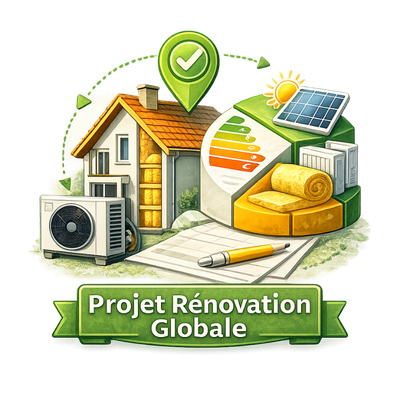
A global energy renovation makes it possible to organise several works within the same approach: insulation, heating, ventilation, hot water and controls. In Metz, this method is useful when a house or flat has several weaknesses. It makes it easier to prioritise interventions and prevents work on one area from complicating the subsequent refurbishment of another part of the building.

Heat pump
A heat pump can be considered when the heating system needs to evolve. Its suitability depends on insulation, thermal requirements, existing heat emitters and the available space. In an older house as well as in a co-owned property, the installation must be assessed in context in order to maintain consistency between heat production, energy consumption and the quality of the building envelope.

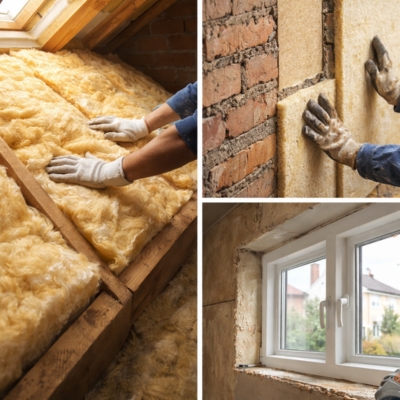
Insulation
Insulation works may concern the walls, loft, roof or certain floors. In a stone building, the choice of materials must respect the behaviour of the substrate and moisture management. In a more recent construction, the priorities may be different. The aim remains to improve energy efficiency while maintaining a solution compatible with the building and its characteristics.
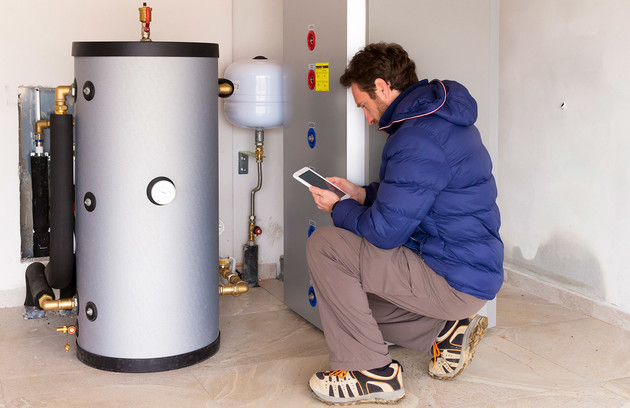
Thermodynamic water heater
A thermodynamic water heater can contribute to upgrading domestic hot water production. Its installation requires suitable space, available connections and a good understanding of the environment in which it operates. In a house or flat, its integration must be considered alongside the other equipment to avoid a new installation creating unnecessary constraints.
Energy audit
An energy audit makes it possible to examine consumption, heat losses and equipment in order to compare several scenarios. It provides a basis for structuring a renovation, particularly in older or complex housing. In Metz, the audit can help distinguish priority works, refurbishment interventions and improvements that can be scheduled at a later stage.
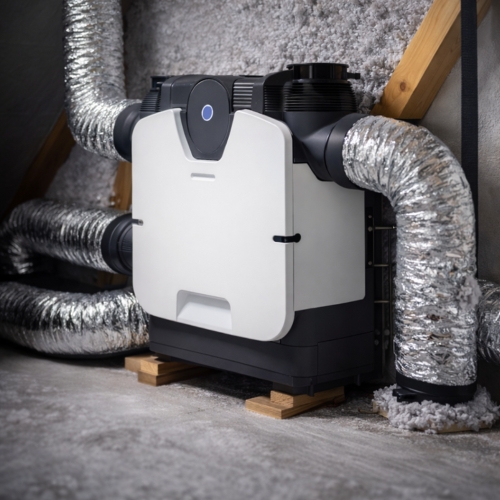
Mechanical ventilation
Ventilation must be adapted when insulation and windows or doors are upgraded. In an older building, reducing uncontrolled air leakage without organising air renewal correctly can alter the indoor balance. Mechanical ventilation must therefore be sized according to the rooms, moisture levels and the airtightness of the property. It contributes to the overall quality of the home after the works.
Smart thermostat
A smart thermostat can improve heating control by adapting settings to schedules and usage. It can complement an existing or recent installation, but it does not replace renovation of the building envelope where this is necessary. Its usefulness depends on the configuration of the property, the system in place and the energy-efficiency objectives being pursued.
Typical projects in Metz
In Metz and more broadly across Moselle, the types of work therefore vary considerably between stone buildings, older co-owned properties and detached houses. Implementation may require several successive tasks: assessment of the existing property, definition of priorities, preparation of the works and coordination of interventions according to the chosen scope.
Housing types also influence the way a project is structured: an older flat and a detached house do not lead to the same priorities. Different projects can therefore follow different pathways while pursuing the same objective of reducing consumption.
Older flat behind a Jaumont stone façade
In this configuration, wall insulation must be considered carefully in order to respect the behaviour of the stone and moisture management. The programme may also concern windows, heating or ventilation. If the façade forms part of the common areas, certain decisions fall under the co-ownership and must be separated from private works.
Flat in a co-owned building in the Imperial district
A property in an early 20th-century building may combine high ceilings, thick walls, older windows and doors, and equipment modernised at different times. Energy renovation must therefore take account of the original construction and successive alterations. Collective refurbishment of the roof, façade or communal heating requires a separate approach from improvements that can be carried out within the flat.
Lorraine house or detached home with an ageing boiler
A house on the outskirts of Metz may have a loft that could be improved, partial insulation and an old heating system. Before replacing the boiler, it is useful to assess future requirements after work on the building envelope. This approach makes it possible to build a more coherent plan and avoid sizing new equipment based on consumption that is likely to decrease.
Grants for your works in Metz
Several grants can be considered for an energy renovation: MaPrimeRénov’, the CEE (energy savings certificates) scheme, reduced VAT and the éco-PTZ (zero-interest eco-loan). Anah is also involved in various housing-related schemes. Certain grants require the use of an RGE-certified professional. Financial support, eligibility conditions and application procedures depend on the applicant’s situation and the planned works; they must therefore be checked before any commitment is made.
ALEC du Pays Messin can provide public advice on energy and renovation, while Oktave offers regional support across Grand Est. ALEC du Pays Messin notably provides private individuals with information on the procedures that may support their projects. These resources can complement project preparation without replacing technical assessment. To present your situation to GRAM Énergie, you can use the contact page. National information on grants, Anah, the CEE scheme and available pathways is also accessible on France Rénov’.
MaPrimeRénov’, the CEE scheme, reduced VAT and the éco-PTZ can be considered according to the project, the property and the applicant’s situation.
How we work

Understanding your request
We collect information about the building, its heating system, consumption and works already carried out.
Assessment of the existing property
The walls, loft, openings, ventilation and equipment are examined in order to identify the main priorities.

Building the plan
Solutions are compared according to the type of construction, building constraints, objectives and the level of performance being sought.
Organisation of the interventions
The works are ordered to maintain consistency between insulation, heating, ventilation and any wider refurbishment.

Support with the process
The planned stages are followed in order to maintain the link between the audit, selected decisions, grant application and implementation.
We also work across Grand Est
GRAM Énergie also supports renovation projects in Nancy, Strasbourg and Reims. To view the other areas of the département, go to the page dedicated to energy renovation in Moselle. The page dedicated to energy renovation in Grand Est provides access at regional level.
Frequently asked questions
How can a Jaumont stone wall be insulated without creating moisture problems?
The composition of the wall, its condition and its ability to manage water vapour must first be understood. A solution that is too airtight can alter its behaviour. The choice of materials and insulation technique must therefore be adapted to the older building, with particular attention paid to ventilation and any sources of moisture.
Can a co-owned building in the Imperial district undertake a global energy renovation?
Yes, but interventions must be defined at building level when they concern the façade, roof, boiler room or other common elements. Private improvements remain separate. A preliminary assessment makes it possible to prioritise the areas and build a coherent approach between common parts and individual properties.
What role can ALEC du Pays Messin play in a renovation?
ALEC du Pays Messin is a public advisory service in the field of energy and climate. It can provide information to help understand the available pathways and prepare a renovation. Its role is separate from the assessment of the building and the implementation of works by the companies selected for the project.
Why assess the house before replacing an old boiler?
Heating requirements depend directly on the condition of the building envelope. If the walls, loft or windows are improved, the required output may change. Assessing heat losses first therefore makes it possible to choose equipment that is more consistent with the future condition of the house rather than with its past consumption.
How do you prepare an energy renovation project in Metz?
Gather energy bills, information about the heating system, available surveys, any plans and co-ownership documents where applicable. These elements make the audit and definition of the works easier. To present your approach and requirements to GRAM Énergie, use the contact page.
Let’s talk about your project
Tell us about your home and your goals: we help you prioritise the works and identify the grants worth looking into.