

Thermodynamic water heater in Aube (10)
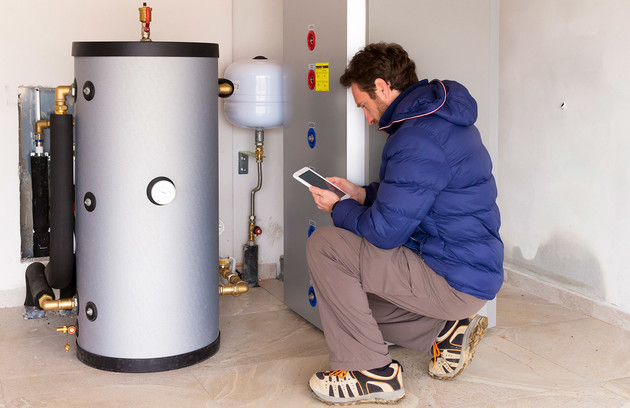
Installing a thermodynamic water heater in Aube (10) requires checking much more than the capacity of the tank. The available location, usable air volume, room temperature, connections and household needs all directly influence the choice of configuration. In rural houses, detached homes and older properties across the département, constraints can vary greatly from one building to another. A preliminary assessment therefore helps determine where the equipment should be installed and how it can be integrated without disrupting ventilation or complicating other planned work.
Tip: have your energy performance certificate (DPE) and energy bills to hand for a more accurate estimate.
Why install a thermodynamic water heater in Aube
In detached houses around Troyes, the existing water heater is often located in a garage, utility room, basement or plant room. These spaces can be suitable for a thermodynamic water heater provided that their volume, temperature and the possibilities for air intake or discharge are checked according to the selected configuration. Replacement therefore does not simply mean installing a new appliance in the same place without assessing how the room functions.
In older houses in Aube, unheated rooms and ancillary spaces may experience very different conditions between winter and summer. A damp cellar, a very cold room or a space directly connected to the heated area does not call for the same solution. Existing ventilation and other equipment must also be considered so that air intake or discharge does not disturb the overall operation of the home.
What thermodynamic water heater installation includes
Assessment of the location
The thermodynamic water heater page presents the main possible configurations. Before installation, the proposed room, its dimensions, usual temperature, access and any other equipment present should be assessed. This first step helps determine whether the appliance can operate using air from the room or whether another configuration should be considered.

Assessment of hot water needs
The choice of water heater depends on the number of occupants, usage habits and the sanitary fittings present. A tank that is too small may be uncomfortable, while an unnecessarily large volume is not appropriate either. The aim is to choose a capacity consistent with actual use while also taking account of installation possibilities and the space available in the home.
Air management
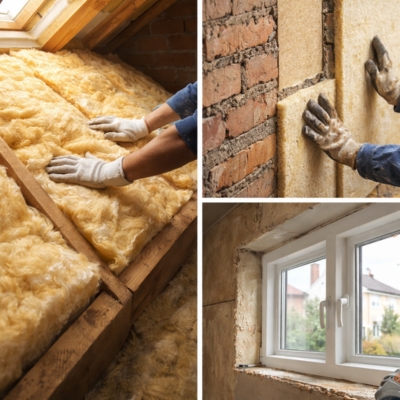
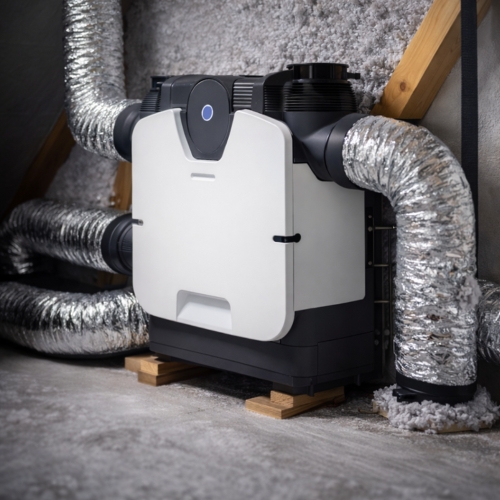
Thermodynamic operation requires a suitable air source. Depending on the model and configuration, the appliance can use air from the room or be connected to ducts. The duct sizes, routes, inlets and outlets should then be checked, together with the effects on room temperature. Poor positioning can cool a room excessively or alter its ventilation balance.
Hydraulic and electrical connections
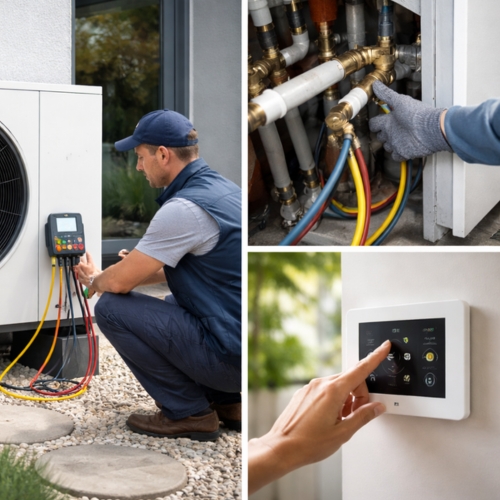
The cold water supply, hot water outlet, condensate drainage and electrical supply must be accessible and properly organised. Replacing an old water heater may allow some existing connections to be reused, but their position and condition should be checked. The space required for future maintenance of the appliance is also one of the points to anticipate.
Coordination with other equipment
A thermodynamic water heater forms part of a system that may also include a boiler, heat pump, mechanical ventilation or planned insulation work. Different systems should not use the same air volume in conflicting ways. The assessment therefore also considers home ventilation, the temperature of ancillary spaces and the future distribution of technical equipment.
Typical situations in Aube
Detached house with an electric water heater in a garage
The room may appear suitable at first glance, but its volume, level of enclosure and temperature need to be assessed. If the available air is insufficient or the garage becomes very cold, another configuration may be preferable. Existing connections can sometimes make installation easier without determining the final choice on their own.
Rural house with a large unheated utility room
An ancillary space can provide more installation options, particularly when it is accessible and separate from living areas. Its seasonal behaviour, moisture level and airflow still need to be checked. In a stone house, these characteristics can differ greatly from those of a modern plant room.
Older home in Troyes with limited technical space
Where available space is restricted, the height of the appliance, duct routes and maintenance access become decisive. Installation in a closed cupboard or small room should not be considered without precisely checking air requirements and the possibilities for connecting to the outside or another suitable space.
Grants and funding
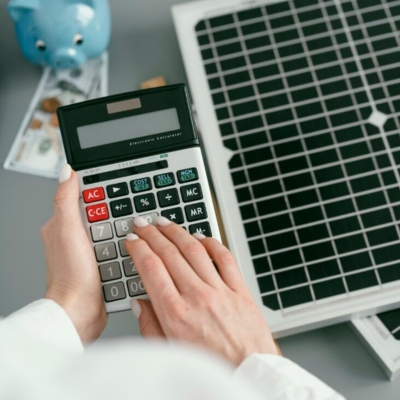
Depending on the type of equipment, the characteristics of the property and the rules applying to the project, a thermodynamic water heater may be eligible for MaPrimeRénov’, CEE (energy savings certificates), reduced VAT or éco-PTZ (zero-interest eco-loan). Some grants may require technical criteria to be met and the use of an RGE-certified professional for the relevant category. The conditions should be checked before committing to the installation.
To explain the characteristics of your property and the proposed location, you can contact GRAM Énergie. To check public schemes, technical criteria and official procedures, also consult France Rénov’. This double check helps distinguish the technical feasibility of the project from the conditions relating to its funding.
How we work

Assessment of needs
We examine hot water usage, household composition and the type of equipment currently installed.

Assessment of the room
Available volume, temperature, ventilation, access and proximity to services are checked before a location is selected.

Choice of configuration
The air intake and discharge method is defined according to the characteristics of the room and the constraints of the building.

Checking the connections
Electrical supply, water, condensate drainage and any ductwork are incorporated into the project before installation.

Overall coordination
The water heater is considered as part of the whole property in order to avoid adverse interactions with ventilation, heating or other planned work.
Our other services in Aube
To complement your project, also consult global energy renovation in Aube, heat pumps in Aube, insulation in Aube and energy audits in Aube. You can also consult the energy renovation Aube page, our content dedicated to Grand Est and the page dedicated to Troyes.
Frequently asked questions
Can a thermodynamic water heater be installed in a garage?
Yes, if the room offers conditions compatible with the selected model. Its volume, temperature, airflow and accessibility should all be assessed. A garage that is very small, very cold or highly compartmentalised may require another configuration, for example with suitable ducts for air intake and discharge.
Can a thermodynamic water heater be installed in a cellar?
That depends on the cellar. Its moisture level, temperature, volume and connection possibilities should be checked. An old stone cellar can experience highly variable conditions. The fact that it is unheated is therefore not enough on its own to confirm that it is a suitable location for the equipment.
Does a thermodynamic water heater cool the room where it is installed?
When it draws air directly from the room, its operation can lower the temperature of that space. The effect depends on the configuration, the available volume and air renewal. This point should be anticipated, particularly if the room connects to a heated area or contains other equipment that is sensitive to temperature.
Can an existing electric water heater be replaced directly?
Replacement in the same location is sometimes possible, but the available space, ceiling height, connections and, above all, the required air conditions should first be checked. A location suitable for a conventional electric water heater is not automatically suitable for thermodynamic equipment, which introduces additional constraints.
Let’s talk about your project
Tell us about your home and your goals: we help you prioritise the works and identify the grants worth looking into.