


Heat pump in Vosges (88)
Installing a heat pump first requires checking whether the home and its heating system are suitable for this solution. In Vosges (88), the winter climate, older houses, large farm buildings and widely varying insulation levels make this stage particularly important. A heat pump is not selected according to floor area alone: heat loss, emitter operating temperatures, ventilation and household use must also be taken into account. The aim is to match the choice of heat generator to the actual characteristics of the building.

Tip: have your energy performance certificate (DPE) and energy bills to hand for a more accurate estimate.
Why a heat pump in Vosges
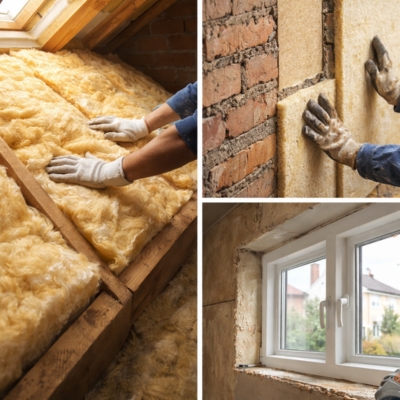
Homes in Vosges can have high heating requirements when lofts, walls or floors remain poorly insulated. In an old farm, large interior volumes and high ceilings can increase this constraint further. Before planning a heat pump, it is therefore necessary to identify the main sources of heat loss and determine whether envelope improvements should come first. This approach limits the risk of selecting equipment according to a building that will subsequently be significantly altered.
The climate in the département also means the system’s operation during cold periods must be examined. The temperature required by radiators or underfloor heating, the output needed when outdoor temperatures fall and the possible presence of wood heating must all be incorporated into the project. In Vosges, the latter can sometimes be retained as a supplementary or complementary source, provided that the overall arrangement remains consistent with ventilation and the heating requirements after renovation.
What a heat pump project includes
Assessment of heating requirements
A heat pump project begins with an assessment of the home’s heating requirements. Floor area alone is not enough: roof and wall insulation, windows, ground floors, orientation, volumes and climatic conditions are taken into account. This analysis helps determine whether preliminary work is required and avoids sizing the system solely on the output of the previous heating equipment.

Compatibility with existing emitters
Radiators and underfloor heating systems do not all operate at the same temperatures. Their ability to heat the home correctly with a heat pump therefore needs to be checked. In a house fitted with older radiators, it may be necessary to assess their size, operating temperature and the balancing of the system. The aim is to assess the combination formed by the generator and the emitters rather than each component separately.
Choosing where to position the units
The position of the outdoor unit must take air circulation, accessibility, site constraints and proximity to living areas or neighbouring properties into account. In areas exposed to snow, its height above the ground and possible snow accumulation also deserve particular attention. The indoor unit and connecting pipework are then integrated into the home according to the hydraulic system and the existing installation.
Managing supplementary and existing heating
Existing equipment can sometimes continue to play a role in the project. A stove, boiler or another system may be used as supplementary heating depending on the selected configuration. In homes where wood is already used, this possibility should be assessed alongside the overall operation of the property. The choice depends in particular on the condition of the installation, household use and the requirements actually observed after the envelope has been improved.
System settings and operation
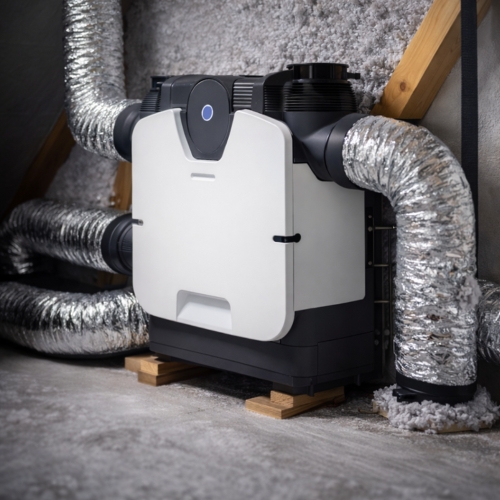
Once the solution has been defined, performance also depends on settings: water flow temperature, programming, heating curve and system balancing all influence how the installation operates. These parameters are particularly important when heating requirements vary significantly between milder periods and the coldest weather. They must remain consistent with the emitters and the building’s insulation level.

Typical situations in Vosges
Old farm with large volumes
An old farm may include a substantial living area beneath a large roof, with massive walls and several former agricultural spaces. In this situation, the project begins by distinguishing the areas that are actually heated and the walls or floors separating them from cold zones. The suitability of a heat pump is then assessed according to the requirements identified after this analysis.
House with water-based radiators and wood heating
A home already equipped with a wet central-heating system can provide a useful starting point, but the temperature required by the radiators must be checked. The wood heating system may potentially remain in place. The assessment then determines how the two heating methods can work together without masking an insulation issue or leading to incorrectly sized equipment.
House renovated in stages
Some homes may already have modern windows while the roof or floors remain poorly insulated. In this situation, the renovation should not be considered complete. Before replacing the heat generator, the condition of the different parts of the building is reviewed to determine whether the heat pump should be installed immediately or incorporated into a broader sequence of work.
Grants and funding
Depending on the type of heat pump selected, the property and the eligibility conditions, an installation may qualify for MaPrimeRénov’, CEE (energy savings certificates), reduced VAT or an éco-PTZ (zero-interest eco-loan). Some grants require the use of an RGE-certified professional and compliance with specific technical criteria. The schemes should therefore be checked before the work is commissioned and before the relevant documents are finally signed.
You can contact GRAM Énergie to structure your project and check the main technical points before choosing your equipment. For official rules, eligible types of work and procedures relating to public schemes, you can also consult France Rénov’. This check helps distinguish the technical criteria of the project from the administrative conditions attached to grants.
How we work

Building assessment
We examine the heated area, volumes, insulation, windows and the main sources of heat loss.

Assessment of the existing heating system
We identify the heat generator, radiators or underfloor heating, operating temperatures and any supplementary systems.

Compatibility assessment
We check whether the home and its emitters are suitable for a heat pump under appropriate conditions or whether other work should be considered first.

Definition of the solution
The type of equipment, its location and how it will work with the existing installation are specified according to the building’s constraints.

Project preparation
We identify the technical points requiring confirmation, related works and grant conditions where the project may qualify.
Our other services in Vosges
Replacing the heating system can form part of a global energy renovation in Vosges or be combined with insulation in Vosges, the installation of a thermodynamic water heater in Vosges or an energy audit in Vosges. You can also view our page dedicated to energy renovation in Vosges and our overview of energy renovation in Grand Est.
Frequently asked questions
Is a heat pump suitable for an older, poorly insulated house?
It may be considered, but the decision should not be made without assessing heat loss. A poorly insulated house may require substantial output and high water temperatures. It is therefore often appropriate to examine the roof, walls or floors first in order to establish the actual requirement before choosing the heat generator.
Can older radiators work with a heat pump?
This depends on their sizing and the water temperature required to heat the rooms. Some existing systems can be retained, while others need adaptation. The assessment must consider the emitters as well as the heat loss from each area, because a radiator cannot be evaluated independently of the heating requirement of the room.
Can wood heating be retained as a supplementary system?
Yes, depending on the configuration of the home and the condition of the existing installation. In a département where wood is widely used, it can remain a relevant supplementary source. However, its interaction with the heat pump, the flue, the air supply and the ventilation must be checked so that the different systems operate as a coherent whole.
Does the colder climate in Vosges prevent the installation of a heat pump?
No, but it makes sizing and the assessment of operating conditions particularly important. The behaviour of the equipment as outdoor temperatures fall must be considered, together with the temperature required by the emitters and the building’s heat loss. A suitable solution is therefore determined from the actual property rather than from the département’s climate alone.
Let’s talk about your project
Tell us about your home and your goals: we help you prioritise the works and identify the grants worth looking into.