


Heat pump in Pas-de-Calais (62)
Installing a heat pump in Pas-de-Calais (62) requires more than simply assessing the existing heating unit. The insulation of the property, type of heat emitters, operating temperature, location of the outdoor unit and quality of ventilation all directly influence the project. In a department combining mining-era brick houses, coastal homes exposed to sea spray and rural properties still heated with oil, the same solution is not suitable everywhere. The assessment must therefore start with the existing building and its needs before determining the output, technology and adaptations required.

Tip: have your energy performance certificate (DPE) and energy bills to hand for a more accurate estimate.
Why install a heat pump in Pas-de-Calais
In inland parts of the department, many detached houses are located away from gas networks and may still have an oil boiler. A heat pump can therefore be considered as a replacement solution, but its operation depends heavily on the condition of the building envelope. A poorly insulated roof or highly heat-loss-prone walls increase requirements and may affect the sizing of the system. The project should therefore be considered as a whole rather than as a straightforward boiler replacement.
On the Pas-de-Calais coast, the outdoor installation requires additional attention. Wind, driving rain, humid air and sea spray can place lasting demands on the equipment and its fixings. The location must also take account of airflow, access required for maintenance and the immediate surroundings. In denser workers’ housing estates, limited space in a courtyard or on a façade and the proximity of neighbouring homes may also influence the selected configuration.
What heat pump installation includes
Assessment of the property and its needs
The project begins with an analysis of the building, the existing heating system and its level of insulation. The page dedicated to the heat pump explains the general principle of this solution. On site, the volumes, main areas of heat loss, heating habits and characteristics of the existing network must be checked before a suitable configuration can be determined.

Checking radiators or underfloor heating
An existing hydraulic system does not automatically operate under the same conditions with new equipment. The radiators, their size, number and required water temperature are assessed. Underfloor heating has different characteristics again. This stage makes it possible to determine whether the heat emitters can be retained, adjusted differently or need to be adapted.
Sizing the system
The output should not be selected solely from the floor area of the property. It also depends on the layout of the house, its insulation, exposure and the temperatures required by the heat emitters. An oversized system or one poorly matched to the network may result in unsuitable operation. Sizing must therefore be based on the actual characteristics of the building.
Choosing the outdoor location
The outdoor unit requires a position that allows correct airflow while taking account of the constraints of the plot and building. On a narrow property, a courtyard, side passage or façade may present different limitations. On the coast, the resistance of materials and fixings to outdoor conditions is also one of the points that must be checked.
Connections, controls and settings
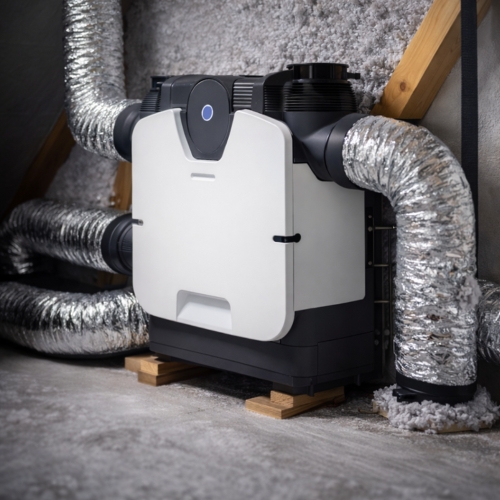
The heat pump must be integrated into the property’s network and combined with controls that are consistent with household use. Water flow temperatures, operating periods and settings are adjusted according to the emitters and heating needs. When the system replaces an older installation, the existing hydraulic components are also checked before commissioning.

Typical situations in Pas-de-Calais
Rural house with an oil boiler
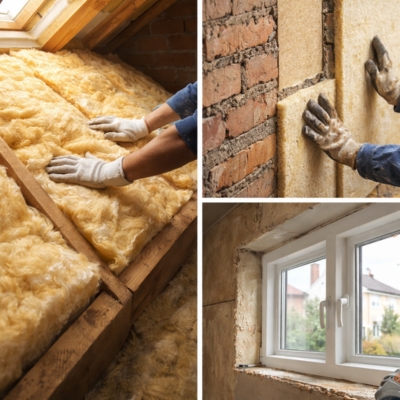
In a property located away from gas networks, the project may involve assessing the replacement of the existing heating unit. Before selecting a heat pump, the condition of the loft, walls, windows and radiators is checked to determine whether the building envelope and heat emitters are compatible with the new operating conditions.
Brick house in a former workers’ estate
A terraced property may have different needs from a detached house exposed on all four sides. Heat loss through the roof, front and rear façades or any gable wall is assessed, while the space available for the outdoor unit must be studied carefully on narrow plots.
Home near the coast
In Calais, Boulogne-sur-Mer or a comparable coastal town, the outdoor location must be selected with wind, sea spray and rain in mind. The support arrangement, protection of connections and accessibility of the unit should be considered from the design stage rather than added after installation.
Grants and funding
Depending on the type of equipment selected, the characteristics of the property and the rules applying to the relevant scheme, a heat pump may qualify for MaPrimeRénov’, CEE (energy savings certificates), reduced VAT or the éco-PTZ (zero-interest eco-loan). Conditions vary between applications and some grants require the use of an RGE-certified professional. Eligibility should therefore be checked before commitments relating to the work are signed.
You can contact GRAM Énergie to present your property, current system and the installation constraints being considered. To consult the official rules, eligibility conditions and available support routes, the official France Rénov’ website is also a source to check before finalising the funding.
How we work

Assessment of the existing system
We examine the type of property, current heating unit, insulation, heat emitters and access constraints.

Checking the network
Radiators, any underfloor heating and operating temperatures are assessed to check their compatibility.

Installation location assessment
We look for a suitable position for the outdoor unit, taking account of access, airflow and the immediate surroundings.

Defining the configuration
The system is sized according to the estimated needs of the building and the characteristics of the existing installation.

Installation and settings
Connections, controls and operating parameters are configured according to the network and how the property is used.
Our other services in Pas-de-Calais
To complement the assessment of the property, you can consult our pages on global energy renovation, insulation, thermodynamic water heaters and energy audits. You can also find the energy renovation in Pas-de-Calais page, the regional Hauts-de-France page and local information for Calais and Boulogne-sur-Mer.
Frequently asked questions
Can a heat pump directly replace an oil boiler?
Replacement is possible in many cases, but it should not be decided without assessing the property. Insulation, heating needs, the temperature required by the radiators and the layout of the network all need to be checked. Some installations require adaptations before they can operate correctly with the new heating unit.
Can existing radiators be retained?
It depends on their size, condition and, above all, the water temperature they require to heat the rooms. Radiators designed to operate at high temperatures are not always suitable without modification. Their compatibility must therefore be assessed alongside the overall sizing of the system.
Does the coastal climate affect the choice of outdoor location?
Yes. Near the coast, exposure to wind, humidity and sea spray must be taken into account for the support, fixings and immediate surroundings of the unit. Sufficient airflow must also be maintained, while access should be provided for checks and maintenance operations.
Should the property be insulated before installing a heat pump?
Not in every case, but a poorly performing envelope can significantly increase the property’s heating needs and make sizing more difficult. Checking the loft, walls, windows and floors before choosing the equipment makes it possible to determine whether prior improvements are necessary or simply recommended within the proposed scenario.
Let’s talk about your project
Tell us about your home and your goals: we help you prioritise the works and identify the grants worth looking into.