


Heat pump in Somme (80)
Installing a heat pump in Somme (80) requires looking beyond simply replacing a heating appliance. Requirements depend on the size of the property, its insulation level, exposure, existing heat emitters and the temperature needed to maintain comfort. In an area combining terraced brick houses, longhouses, isolated farmhouses and post-war reconstruction buildings, sizing must be based on the actual characteristics of the property. The condition of the building envelope and the possible presence of moisture also influence the coherence of the project.

Tip: have your energy performance certificate (DPE) and energy bills to hand for a more accurate estimate.
Why install a heat pump in Somme
In rural areas, many homes are located away from gas networks and may have relatively large volumes to heat. A heat pump can therefore be considered as a heating solution, but its operation must remain compatible with the building’s heat loss and the existing emitters. A longhouse exposed to the wind does not have the same requirements as a terraced house protected on two sides.
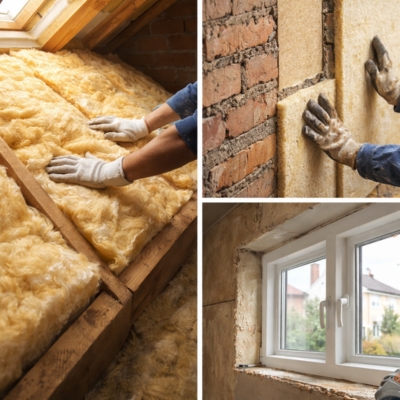
The housing stock in Somme also includes poorly insulated or uninsulated brick walls, lofts where older insulation may have settled and buildings reconstructed with varying compositions. Installing a new heat generator without examining these factors can mean retaining high heating requirements or selecting equipment that is poorly suited to the property. The project therefore benefits from an overall assessment of the building envelope and the existing system beforehand.
What heat pump installation includes
Assessment of heating requirements
Choosing a heat pump starts with an assessment of the property: heated volumes, insulation level, façade exposure, windows, usage habits and current system. This stage helps determine the heating requirement to be covered and avoids selecting equipment solely on the basis of the output of the previous heat generator.
Choosing the type of system
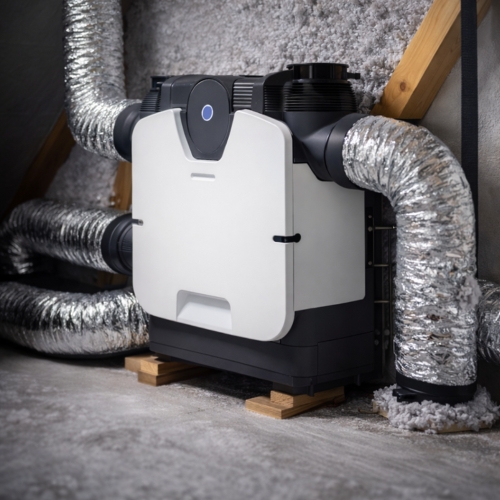
A heat pump can use different configurations depending on the building and site constraints. The choice must take account in particular of the existing heating circuit, available space, possible locations for the units and the characteristics of the property. Not every solution is therefore suitable for every home, even where floor areas are similar.

Compatibility with existing heat emitters
Radiators and underfloor heating do not necessarily operate with the same water temperatures. Before retaining the existing emitters, their ability to provide the required heat with the new system must be checked. In some older homes, this assessment may lead to adaptations to the circuit or certain radiators rather than a straightforward change of heat generator.
Positioning the equipment
The position of the outdoor unit must be considered in relation to access, airflow, future maintenance and the immediate surroundings. In terraced housing, proximity to neighbours calls for particular attention when choosing the location. In rural homes, the constraints may differ, with more space available but potentially greater technical distances between components.
System settings and operation
Once installed, the system’s operation also depends on temperature settings, controls and the balance of the heating circuit. These parameters must correspond to the characteristics of the home and its heat emitters. The aim is to achieve operation that matches actual requirements rather than automatically reproducing the settings of the former system.

Typical situations in Somme
Longhouse in an isolated rural setting
The building may combine a large area of exposed walls, older loft insulation and several rooms arranged along its length. Before selecting a heat pump, the heat loss and existing heating circuit need to be assessed. Improving certain parts of the building envelope beforehand may significantly alter the heating requirement.
Terraced town house
Walls shared with neighbouring homes limit some heat losses, while the front and rear façades, roof or floor may remain more sensitive. The required output cannot therefore be determined from floor area alone. The type of radiators and their operating temperature must also be taken into account.
Post-war reconstruction house
Two buildings from a similar period may have been constructed using different materials. The appearance of the façade does not always reveal the actual thermal performance of the walls. In this type of property, the heating study must be based on the observed composition of the building before the new equipment is sized.
Grants and funding
Depending on the type of heat pump, the property, the household’s situation and the rules applying to the project, MaPrimeRénov’, CEE (energy savings certificates), reduced VAT and éco-PTZ (zero-interest eco-loan) may be among the schemes to consider. Some grants require the work concerned to be carried out by an RGE-certified professional. The applicable conditions should be checked before committing to the installation.
You can contact us to present the property, the current heating system and the solution being considered. To check the rules for public grants and the procedures applying to your situation, the official France Rénov’ portal is also a reference. Funding should be considered alongside the technical choices.
How we work

Gathering information
We assess the layout of the property, the current heating method, the existing heat emitters and usage.

Assessment of the building
Insulation, exposed surfaces, windows and any issues that may influence heating requirements are taken into account.

Compatibility assessment
The hydraulic circuit, radiators or underfloor heating are analysed to check their suitability for the system being considered.

Defining the solution
The type of equipment, its positioning and any necessary adaptations are determined according to the technical constraints of the property.

Commissioning and settings
Operation, controls and system parameters are adjusted in line with the building’s requirements.
Our other services in Somme
Depending on the condition of the property, your project may also include a global energy renovation in Somme, insulation in Somme, the installation of a thermodynamic water heater in Somme or an energy audit in Somme. You can also consult the page dedicated to energy renovation in Somme, our overview of Hauts-de-France and the information dedicated to energy renovation in Amiens.
Frequently asked questions
Is a heat pump suitable for an old brick house?
It can be considered, but the choice depends on the level of heat loss, the heated area and the existing heat emitters. Uninsulated brick walls may maintain high heating requirements. It is therefore useful to assess the building envelope before determining the output and operating conditions of the system.
Should insulation be improved before changing the heating system?
This is not a rule that applies identically to every property, but the order of the work should be considered. Improving insulation can reduce heating requirements and change the sizing of the future equipment. It is therefore preferable to know the planned improvements to the building before finalising the choice of heat pump.
Can the existing radiators be kept?
That depends on their size, number and the water temperature required to heat the rooms correctly. Some existing circuits can be retained, while others require adaptations. The assessment should cover the whole system rather than only the connection to the new heat generator.
Does moisture in the property affect the heating project?
Yes, because a moisture problem may indicate water penetration, rising damp, inadequate ventilation or another building defect. These causes must be identified separately. Installing new heating equipment does not replace treatment of the underlying cause of the moisture.
Let’s talk about your project
Tell us about your home and your goals: we help you prioritise the works and identify the grants worth looking into.