


Thermodynamic water heater in Bas-Rhin (67)
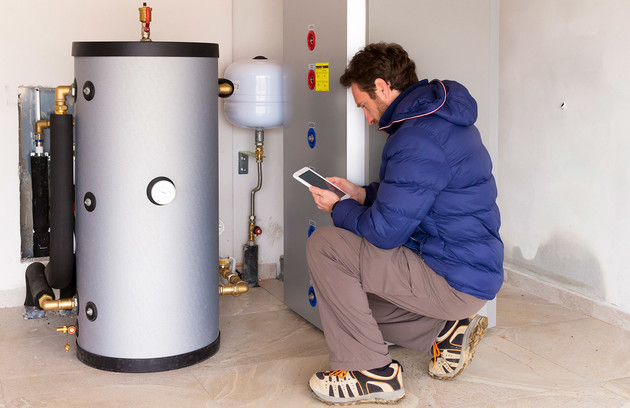
Installing a thermodynamic water heater in Bas-Rhin (67) requires assessing both domestic hot water needs and the room where the unit will be installed. This system uses a heat pump to recover calories from the air and transfer them to the water in the cylinder. Its operation therefore depends on its location, the available volume, the temperatures encountered and the way air is drawn in and discharged. In older houses, cellars, utility rooms and unheated spaces may present moisture or temperature constraints that must be taken into account before selecting a configuration.
Tip: have your energy performance certificate (DPE) and energy bills to hand for a more accurate estimate.
Why install a thermodynamic water heater in Bas-Rhin
The local climate is relevant when choosing the installation, especially where the unit takes calories from an unheated space or outdoor air. A cold basement in winter, a ventilated garage and an internal utility room do not provide the same conditions. It is also important to avoid disrupting the thermal behaviour of a room by extracting energy from it without examining the consequences for its comfort and for neighbouring spaces.
In older buildings in Bas-Rhin, the presence of stone walls, cool cellars, timber framing or technical rooms created at a later date requires careful assessment of the premises. Air circulation, moisture and proximity to living areas must be examined before installation. In a block of flats or a property with limited space, the unit’s footprint, ducting and air discharge may also influence the choice of configuration.
What a thermodynamic water heater includes
Choice of system and air intake method
The national page dedicated to the thermodynamic water heater explains how this solution works. For a particular property, it is then necessary to choose between a unit using ambient air, outdoor air or a ducted system. This decision depends on the room layout, available temperatures, technical space and the possibilities for discharging air.

Sizing according to domestic hot water needs
The cylinder volume must correspond to the household’s actual hot water use. The number of occupants, consumption habits, frequency of showers or baths and periods of use influence the choice. A unit should therefore not be selected solely according to the space available. Sizing must also take account of reheating capacity and the chosen operating mode.

Assessment of the installation room
The floor must be suitable for the unit and allow access for maintenance. The available height, access, room ventilation, proximity to water and electrical connections and condensate drainage must all be checked. In an older cellar or damp room, the condition of the surface and the environment around the cylinder should be assessed before installation.

Air management and ducting
A thermodynamic water heater using ambient air cools the space from which it extracts calories. A ducted version can draw in or discharge air to another location, but requires a suitable route for the ducts. Lengths, bends and wall penetrations must be anticipated so that the duct route is not improvised once the unit is in place.

Acoustics, condensate and maintenance
The integrated heat pump produces operating noise that must be taken into account near a bedroom or resting area. The system also produces condensate that must be drained correctly. The installation must finally leave sufficient access to components for checks and maintenance without requiring neighbouring fittings to be dismantled.

Typical situations in Bas-Rhin
Older house with a cool cellar
A cellar may appear suitable because of its volume, but its temperature, moisture levels and air renewal must be checked. Extracting calories can cool the room further. The project therefore examines the condition of the space, condensate drainage and whether ambient air can be used or ducting is required.
Detached house with an adjoining utility room
A technical room can simplify water and electrical connections, but its proximity to living spaces means that noise and possible cooling of the room must be considered. The selected position must retain sufficient access around the unit and avoid interfering with the other uses of the room.
Flat or property with limited technical space
The size of the cylinder, duct routes and air discharge may become the main criteria. In some configurations, the installation requires an assessment of available walls, common areas and condominium constraints before the feasibility of the solution can be confirmed.
Grants and funding
Depending on the property, the equipment and eligibility conditions, installation of a thermodynamic water heater may qualify for MaPrimeRénov’, CEE (energy savings certificates), reduced VAT or the éco-PTZ (zero-interest eco-loan) as part of a project meeting the applicable criteria. Some grants may require the use of an RGE-certified professional. The rules must be checked before the project is finally approved.
To assess the installation location and technical constraints of your property, you can contact GRAM Énergie. The official conditions governing public schemes, support pathways and criteria to be checked can also be consulted on the France Rénov’ website before starting funding procedures.
How we work

Assessment of requirements
We examine domestic hot water use, household composition and the equipment already installed.

Assessment of the location
The available volume, access, room temperature, moisture and possible connections are checked.

Choice of configuration
We determine the air intake method and any constraints associated with ducts or air discharge.

Checking connections
Water supply, electricity, condensate drainage and the space required for maintenance are incorporated into the project.

Installation preparation
Technical parameters, any required procedures and the points still needing validation are brought together before work begins.
Our other services in Bas-Rhin
Domestic hot water production can form part of a global energy renovation or be coordinated with a heat pump, insulation work or an energy audit. You can also consult our page on energy renovation in Bas-Rhin, our content dedicated to Grand Est and the page dedicated to Strasbourg.
Frequently asked questions
Can a thermodynamic water heater be installed in an older cellar?
It is possible in some configurations, but the volume, temperature, moisture and air renewal must be assessed. A cellar that is already cold may be cooled further by a unit using its ambient air. Condensate drainage and access for maintenance must also be planned before this location is selected.
Does a thermodynamic water heater cool the room where it is installed?
When it uses air from the room, it extracts calories and discharges cooler air. The effect depends on the room’s volume, ventilation and use. In a utility room or garage, this consequence may be acceptable, but it should be assessed before installation.
Is condensate drainage required?
Yes. Operation of the integrated heat pump produces condensation water. Suitable drainage must therefore be provided close to the unit. Its route, fall and accessibility should be incorporated into the assessment so that a solution does not have to be improvised after installation.
Can a thermodynamic water heater be installed near a bedroom?
Proximity to a bedroom requires particular attention to operating noise and possible vibrations. In Bas-Rhin, as elsewhere, the location must be chosen according to the organisation of the property. A technical room, garage or space further from sleeping areas may be more suitable depending on the configuration.
Let’s talk about your project
Tell us about your home and your goals: we help you prioritise the works and identify the grants worth looking into.