


Energy Renovation in Roubaix
In Roubaix, energy renovation concerns housing that is deeply shaped by the city’s textile history. Rows of workers’ houses, brick courtyard housing, small terraced houses, bourgeois homes and older properties all have very different construction methods, volumes and requirements. The works must therefore be defined according to the actual condition of the property, its walls, roof, heating system, ventilation and energy consumption. GRAM Énergie supports private individuals, owner-occupiers and landlords with their projects in order to establish a coherent approach combining thermal improvements, equipment, comfort and energy efficiency.

Tip: have your energy performance certificate (DPE) and energy bills to hand for a more accurate estimate.
Why renovate your home in Roubaix
Roubaix’s residential heritage includes many properties resulting from the urban development linked to the textile industry. Rows of workers’ houses and old courtyard housing often have solid brick walls without modern thermal protection, with relatively narrow interiors. In this type of house, energy losses can come from several areas: the roof, external walls, windows and doors, floors, ventilation or heating system. Before starting work, priorities must therefore be established and the way these elements interact must be understood. Work on the walls, for example, can affect moisture behaviour, room comfort and air renewal. In Roubaix, this overall assessment also helps place improvements to the property within a more environmentally responsible approach.
The presence of moisture deserves particular attention in some older buildings in Roubaix. A cold or damp wall should not automatically be covered without first investigating the cause. Condensation, poor ventilation, water ingress or rising damp require different responses. The chosen solution must then take account of the behaviour of the brickwork, the space available and the layout of the rooms. This approach prevents energy improvement work from shifting the problem rather than resolving it. It may require an assessment by a professional and, depending on the scale of the project, collaboration between several trades. In some cases, several contractors need to coordinate their roles to maintain continuity between assessment, works and implementation.
In Roubaix, an energy renovation benefits from linking the existing construction to the planned works so that the project remains coherent from assessment through to the building work. In Roubaix, a second phase of energy renovation may also involve several contractors: their roles must be coordinated with the works already selected, the existing technical systems and the actual energy requirements. This coordination avoids isolated interventions.
Roubaix also has townhouses and former bourgeois residences whose requirements differ significantly from those of smaller workers’ homes. A large floor area, several storeys, high ceilings or older windows and doors change the way the project is approached. Energy performance then depends on the building envelope, the sizing of equipment and the controls. Project management may be involved in projects combining major alterations with complex technical works. Where the project requires an architect or other professionals, their role depends on the actual scope of the operation.
For occupants and landlords alike, the aim is therefore to adapt the works to the property and its use rather than applying a standard solution. Expectations may concern comfort, consumption, air quality, upgrading equipment or adopting a more environmentally responsible approach to renovation. In Roubaix, as elsewhere in the Métropole européenne de Lille, Amélio is a public renovation service that can provide information to private individuals. This metropolitan network covers an area that also includes Lille, Marcq-en-Barœul and many other communes in the Nord. The network can also help place an energy renovation project within the support schemes available at city and metropolitan level. It is also a useful information network for directing certain tasks at an early stage. In Roubaix, the interior layout, project timescales and information provided by public services can also be considered together before deciding the sequence of interventions.
A preliminary assessment makes it possible to connect the condition of the building, energy losses, moisture and the solutions being considered.
Our services in Roubaix
Global energy renovation
A global energy renovation makes it possible to coordinate several areas within the same project: the building envelope, insulation, heating, ventilation, hot water and controls. This approach is useful when an older property has several weaknesses. It helps prioritise the works, organise their sequence and maintain technical consistency between the different interventions rather than multiplying separate measures.

Heat pump
The installation of a heat pump can be considered when replacing older equipment. Its suitability depends on heating requirements, the existing heat emitters, the performance of the building envelope and the configuration of the house. In a densely built-up area of Roubaix, the location of the units also deserves careful assessment. A professional must check technical feasibility before incorporating this solution into the project.

Insulation
Insulation works may concern the loft, roof, walls or certain floors. In an older brick building, the technique selected must take account of moisture, the composition of the wall and the space available. A solution suited to a recent building is not necessarily appropriate for a workers’ house. The assessment therefore consists of selecting a method compatible with the existing substrate and the way it behaves.

Thermodynamic water heater
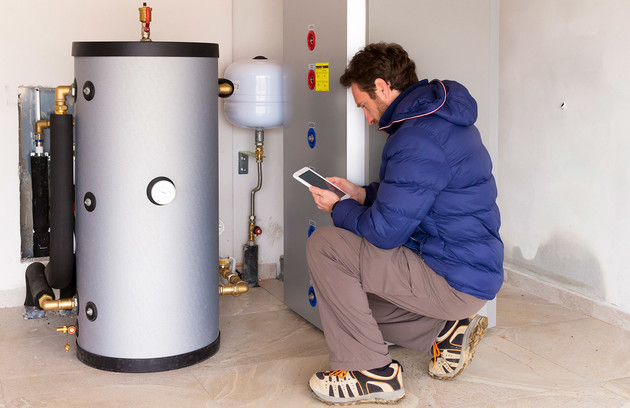
A thermodynamic water heater can form part of certain projects for domestic hot water production. Its installation requires a suitable location, compatible connections and enough space to operate correctly. In smaller homes in Roubaix, its positioning should be anticipated in order to preserve everyday use and avoid unnecessarily taking up available space.
Energy audit
An energy audit helps identify the main areas of consumption and compare several renovation scenarios. It provides a structured overview of the building envelope, ventilation and existing equipment. For a homeowner hesitating between several solutions, the audit can clarify priorities and prepare a project based on the actual condition of the property rather than a generic response.
Mechanical ventilation
Ventilation plays an important role in older housing, particularly when works make windows or walls more airtight. Mechanical ventilation can contribute to air renewal, but its installation must be coordinated with the rest of the renovation. Airflow rates, air inlets and duct routes must be planned according to the layout of the rooms and the possibilities offered by the building.

Smart thermostat
A smart thermostat can complement the heating system by adapting settings to periods of occupancy and use. It does not correct defects in the building envelope on its own, but it can improve heat control. Its usefulness depends on the equipment already in place, the distribution of the rooms and the occupants’ habits. It therefore forms part of a broader approach to energy consumption.
Typical projects in Roubaix
Workers’ terraced house with solid brick walls
This common type of property in Roubaix may combine a front façade, rear façade, older roof and several narrow storeys. The assessment can begin with the loft, the condition of the walls, the windows and the heating system. If internal insulation is being considered, the loss of floor space and any existing moisture must be taken into account. The works may also lead to a review of ventilation in order to maintain suitable air renewal after the walls have been treated.
Small courtyard house with uneven thermal comfort
In a small property, difficulty maintaining a comfortable temperature does not necessarily mean that the heating appliance is the only cause. A poorly insulated roof, cold walls, air leakage or poorly adjusted ventilation may increase energy requirements. The source of the losses should therefore be identified before replacing equipment. The limited floor area also means that the impact of each intervention on the available space must be assessed.
Townhouse with large volumes
A larger property may require a project divided into several tasks: assessment of the building envelope, treatment of the loft, examination of windows and doors, changes to the heating system, controls and ventilation. The solutions differ depending on whether the house remains occupied or is undergoing a more extensive renovation. Where the operation also includes major alterations to the spaces, collaboration between several professionals or project management may be considered depending on its complexity.
Older property intended for rental
A landlord may seek to make the property more energy efficient while taking account of its future use, initial condition and the planned level of intervention. The project may combine insulation, ventilation, replacement of equipment and refurbishment of certain rooms. The schedule depends on the nature of the works and cannot be set without a preliminary assessment. Careful preparation mainly helps distinguish what relates to energy, maintenance and layout. It also makes it easier to prepare the site and coordinate the professionals who will be involved.
Grants for your works in Roubaix
Several public grants can be considered for energy renovation works: MaPrimeRénov’, the CEE (energy savings certificates) scheme, reduced VAT and the éco-PTZ (zero-interest eco-loan). Depending on the works concerned, the use of an RGE-certified professional may be required. Anah is also involved in various schemes relating to housing improvement. Private individuals and landlords must check the rules corresponding to their situation, the property concerned and the chosen route before committing expenditure.
Amélio, the public renovation service of the Métropole européenne de Lille, is also a local information resource. Grants should support an appropriate technical solution rather than dictate which interventions should be selected. To discuss your project with GRAM Énergie, use the contact page. National information on MaPrimeRénov’, Anah, loans and other public schemes can also be found on France Rénov’.
MaPrimeRénov’, the CEE scheme, the éco-PTZ and reduced VAT may be considered depending on the nature of the project and the applicable conditions.
How we work

Understanding your expectations
We collect useful information about the house, its consumption, the difficulties encountered, previous interventions and the objectives being pursued.

Assessment of the building
The walls, roof, openings, ventilation and existing equipment are examined in order to identify the main heat losses and the constraints specific to the property.

Definition of the solutions
The technical options are compared according to their consistency, the space available, the condition of the substrates and their compatibility with the other parts of the project.

Organisation of the works
The different tasks are ordered to avoid incompatibilities between the building envelope, equipment, ventilation and the organisation of the spaces. This organisation facilitates collaboration between professionals when several trades are involved in the project.

Monitoring the works
The support aims to maintain continuity between the initial assessment, the professionals involved and the planned interventions, with timescales depending on the actual scope of the operation.
We also work across the rest of the Nord
GRAM Énergie also supports renovation projects in Lille, Tourcoing and Villeneuve-d’Ascq. Marcq-en-Barœul is also one of the communes in the metropolitan area. To broaden your search across the area, view the page dedicated to energy renovation in the Nord as well as the one dedicated to energy renovation in Hauts-de-France.
Frequently asked questions
Why do workers’ houses in Roubaix require a specific assessment before work begins?
Their construction often combines solid brick walls, a narrow footprint, party walls and several storeys. Heat loss can therefore vary considerably from one property to another. A preliminary assessment helps prioritise the roof, walls, ventilation, windows and doors, and equipment, then prepare a renovation compatible with the available space and the traditional behaviour of the house.
What should be checked before insulating an older wall affected by moisture?
The source of the problem must first be identified. Water ingress, poor ventilation, condensation or rising damp do not require the same response. Installing insulation directly over a problematic wall may hide the defect without resolving it. The assessment must therefore focus on the wall before defining the method and finishes.
How can a small house be renovated without compromising its interior layout?
In a small property, the impact of each solution must be assessed. The loft, roof, certain windows and doors, ventilation or equipment can sometimes be treated before the walls. This approach limits the loss of space and makes it possible to compare several scenarios according to the construction, the owner’s expectations and the constraints specific to the property.
Does a townhouse in Roubaix require a different type of renovation?
Its volumes, architecture and equipment may lead to a broader approach. A large house may require several coordinated interventions on the building envelope, heating, controls and ventilation. If major alterations are planned at the same time, different professionals or a project management role may be involved depending on the nature and scale of the project.
Can landlords use energy renovation grants?
Certain schemes may apply to landlords, but their conditions vary according to the grant, the nature of the works and the route followed. MaPrimeRénov’, the CEE scheme, Anah, the éco-PTZ or other public mechanisms must therefore be checked before committing to the works. France Rénov’ provides general information corresponding to different profiles and projects.
How should you decide between improving the building envelope and replacing the heating system?
The decision depends on current heat losses and the condition of the equipment. Replacing an appliance without examining the walls, roof or windows may mean basing the decision on requirements that are likely to change. Conversely, improving insulation can alter heating requirements and ventilation. The two aspects are therefore best considered together.
How do you prepare an energy renovation project in Roubaix?
Gather information about the house, its equipment, its consumption, any moisture problems and previous interventions. This preparation makes it easier to understand your requirements, assess the property and communicate with each professional involved. It also helps anticipate the different stages and their schedule. To present your project, use the contact page.
Let’s talk about your project
Tell us about your home and your goals: we help you prioritise the works and identify the grants worth looking into.