


Energy Renovation in Dunkerque
In Dunkerque, energy renovation must take account of a particular coastal environment. Wind, salty air, humidity and façade exposure directly influence the ageing of windows and doors, walls and certain equipment. The city also has several types of housing: buildings and houses dating from the Reconstruction period, more recent detached houses and flats with varied layouts. GRAM Énergie supports you in defining a coherent project based on the actual condition of the property, its energy consumption and the constraints of the site. The aim is to coordinate work on the building envelope, ventilation, heating and hot water production without treating each area separately.

Tip: have your energy performance certificate (DPE) and energy bills to hand for a more accurate estimate.
Why renovate your home in Dunkerque
The centre of Dunkerque was extensively rebuilt after 1945. This urban history explains the presence of many buildings and houses dating from the Reconstruction period, whose construction techniques differ from those of older brick buildings found elsewhere in the Nord. Depending on the type of property, the works may concern a façade exposed to the wind, poorly performing walls, a roof, windows or a heating system that has become less suitable. An energy renovation must therefore begin with an assessment of the building envelope and how it performs. The types of work required depend on the construction, its orientation and its condition, not simply on the age of the building.
Proximity to the sea adds a specific constraint. Façades and windows and doors are more exposed to wind, driving rain and salty air. Before undertaking insulation works or replacing windows, the condition of the substrates, seals, any water ingress and sensitive areas around openings must be checked. Indoor humidity must also be distinguished from water entering from outside. A more airtight house or flat requires suitable ventilation to remove the water vapour produced in daily life and preserve the quality of the home.
Neighbourhoods with more recent detached houses present different issues: existing but sometimes incomplete insulation, ageing equipment, controls that could be improved or ventilation that needs reviewing. At the wider urban area level, a district heating network also exists; connection can be considered on a case-by-case basis depending on the location of the property, the characteristics of the installation and technical possibilities. For certain complex projects that also affect the architecture or involve major alterations, an architect may be involved depending on the owner’s requirements and the nature of the project.
On the coast, the condition of façades, openings and walls must be checked before defining thermal improvement works.
Our services in Dunkerque
Global energy renovation
A global energy renovation makes it possible to coordinate several areas: the building envelope, heating, ventilation, hot water and controls. This approach is useful when a property has several weaknesses. It helps build a coherent plan of works, avoid conflicting interventions and organise the project according to the technical priorities of the property rather than focusing on a single piece of equipment.

Heat pump
A heat pump can be considered when the heating installation needs to evolve. Its suitability depends on the requirements of the property, its insulation, the heat emitters and the available location. In an environment exposed to wind and sea air, the positioning of outdoor units must be studied carefully in order to take account of the specific constraints of the site.

Insulation
Insulation works may target the walls, roof, loft or certain floors. In Dunkerque, the condition of exposed façades and any signs of moisture must be examined before selecting a technique. The materials and installation method must remain compatible with the existing substrate. Internal or external work is therefore decided according to the type of construction and the constraints of the property.
Thermodynamic water heater
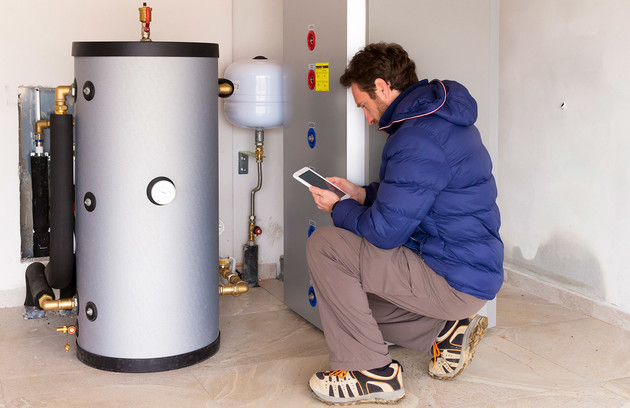
A thermodynamic water heater can be considered for domestic hot water production. Its installation requires a location compatible with its operation, connections and the available volumes. In a house as well as in certain flats, its interaction with adjoining spaces and ventilation must also be checked in order to integrate it correctly into the energy project.
Energy audit
An energy audit makes it possible to analyse consumption, the building envelope and equipment before making decisions. It helps compare several renovation scenarios and distinguish priority works from those that can be scheduled later. This stage is particularly useful when the owner is hesitating between work on the walls, openings, heating or several combined areas.

Mechanical ventilation
Ventilation is an essential consideration in an environment where humidity can be significant. Mechanical ventilation must be suited to the layout of the rooms, air inlets and the airtightness of the windows. It works alongside other interventions to prevent improvements to the building envelope from reducing air renewal excessively. Its role should therefore be assessed from the preparation stage of the project.

Smart thermostat
A smart thermostat can improve control of a heating installation by adapting settings to occupancy schedules. Its usefulness depends on the existing system and the layout of the rooms. It can complement an energy renovation, but does not replace work on the building envelope or ventilation where these are necessary. Controls therefore form part of a broader energy management strategy.
Typical projects in Dunkerque
Reconstruction-period house with an exposed façade
In this situation, the project may concern the walls, openings, roof and heating system. Before the works, the condition of the façade and joints deserves particular attention in order to distinguish energy losses from problems related to water or weather exposure. The treatment selected then depends on the existing materials and the configuration of the house.
Older flat in an apartment building
Private interventions must be separated from those relating to common areas. Windows, certain equipment or controls may fall within the flat, while the façade, roof or certain networks concern the entire building. The owner must therefore identify the scope of action before building the renovation plan and starting the works.
More recent detached house with ageing equipment
This type of property may already have a partially insulated envelope but still have an older heating system, inefficient ventilation or controls that could be improved. The project then consists of checking what is already in place before deciding between equipment replacement, targeted improvements or broader intervention. Connection to the district heating network can also be considered on a case-by-case basis where technically feasible.
Grants for your works in Dunkerque
Several grants can be considered as part of a renovation: MaPrimeRénov’, the CEE (energy savings certificates) scheme, reduced VAT and the éco-PTZ (zero-interest eco-loan). Anah is also involved in various schemes relating to housing improvement. Certain works require the involvement of an RGE-certified professional in order to qualify for the corresponding grants. The owner must check the conditions applicable to the project before signing for works or arranging finance.
Grants do not replace the technical assessment of the property: they should support a project already based on actual needs. To present your situation and review the different stages with GRAM Énergie, you can use the contact page. National information concerning MaPrimeRénov’, Anah and the main schemes is also available on France Rénov’, the public information service for home renovation.
MaPrimeRénov’, the CEE scheme, reduced VAT and the éco-PTZ can be considered depending on the works and the applicant’s situation.
How we work

Understanding your request
We identify the characteristics of the property, its equipment, the issues observed and the owner’s objectives.

Checking the existing property
The condition of the walls, façades, windows and doors, ventilation and installations is examined in order to identify sensitive areas.

Defining the plan
The different types of work are compared according to energy requirements, site constraints and the construction.

Organising the works
The interventions are put into order to maintain consistency between the building envelope, ventilation, heating and hot water production.

Supporting implementation
The monitoring maintains consistency between the initial assessment, the selected solutions and the planned operations.
We also work across the rest of the Nord
GRAM Énergie also works on renovation projects in Lille, Tourcoing and Villeneuve-d’Ascq. To view the other communes covered, you can visit the page dedicated to energy renovation in the Nord and then the regional page dedicated to energy renovation in Hauts-de-France.
Frequently asked questions
Does coastal wind change the way a house should be renovated in Dunkerque?
Yes, because a highly exposed façade, ageing seals or worn windows and doors may be more affected by driving rain and air movement. It is therefore useful to check the building envelope before thermal improvement works. This stage helps avoid confusing water ingress, air leakage and simple energy loss.
Why check humidity before improving the airtightness of windows?
More airtight windows reduce uncontrolled air leakage, but they also alter natural air renewal. If ventilation is insufficient, moisture produced indoors may become more noticeable. Replacing windows and doors should therefore be combined with a check of the ventilation system and the condition of the walls.
Do all Reconstruction-period properties require the same works?
No. Two buildings from the same period may have very different materials, alterations and levels of maintenance. The façade, roof, openings, equipment and works carried out since construction must be examined. Renovation should be adapted to each building rather than defined solely by its period.
Can connection to the district heating network be considered in Dunkerque?
Yes, where a network is accessible and the technical characteristics of the property allow it. The possibility must be checked on a case-by-case basis according to the location, the type of existing installation and the connection conditions. This option can be compared with other heating solutions as part of a global project.
What should be the first step in an energy renovation in Dunkerque?
Start by gathering information about the property, energy bills, equipment, any moisture problems and works already carried out. This provides a basis for defining priorities more clearly and determining whether an audit is necessary. To present your project to GRAM Énergie, go to the contact page.
Let’s talk about your project
Tell us about your home and your goals: we help you prioritise the works and identify the grants worth looking into.