

Energy Renovation in Beauvais
In Beauvais, energy renovation concerns very different types of property: Reconstruction-era buildings, older brick houses, timber-framed constructions, detached houses from the 1960s to the 1980s and co-owned buildings. In Oise (60), many owners also buy a property before planning works, particularly because of the proximity to Île-de-France. The DPE, energy audit and actual condition of the building envelope then become important starting points. GRAM Énergie supports you in structuring a project around the building envelope, heating, ventilation and energy consumption, with solutions suited to the type of house or flat.

Tip: have your energy performance certificate (DPE) and energy bills to hand for a more accurate estimate.
Why renovate your home in Beauvais
A large part of central Beauvais was rebuilt after the destruction of 1940. Buildings from this period have different characteristics from the older constructions that remain in certain districts. In a Reconstruction-era co-owned building, energy performance depends both on the private flat and on common elements such as the façade, roof or certain equipment. A DPE provides information about the condition of the property, but an energy audit can go further when several interventions need to be compared or when a programme of works is being considered.
Brick houses and Picardy timber-framed buildings require a different approach. Before any intervention on the building envelope, it is necessary to understand the composition of the walls, their condition and the way they react to moisture. An overly standardised solution may be poorly suited to an older construction. Depending on the complexity of the project, an architect may be involved, particularly when a major renovation alters several parts of the building. Architects can also be consulted on an occasional basis when structural, architectural or regulatory issues go beyond a simple thermal improvement.
In the residential neighbourhoods of Beauvais, houses built between the 1960s and the 1980s may have poorly protected lofts, older windows and an ageing oil or gas boiler. A thermal assessment of the property can then provide a better understanding of heat losses and help prioritise interventions. Replacing the heating system should not be decided independently of the building envelope: a house whose requirements fall after improvement does not necessarily need the same output as before.
The DPE and available surveys are also important during a sale or rental. They provide information on energy performance and the main areas to monitor. For Beauvais residents buying a property to renovate, the energy audit can complement this initial assessment by proposing several scenarios and helping to build a more precise project. This approach can notably help anticipate interventions before moving into the property.
The energy audit makes it possible to compare several scenarios before starting interventions on the building envelope and equipment.
Our services in Beauvais
Global energy renovation
A global energy renovation makes it possible to bring several areas together within the same project: insulation, heating, ventilation, hot water and controls. In Beauvais, this approach is particularly useful when a house has several weaknesses at the same time. It helps establish a coherent plan and prevents an initial intervention from making later stages more difficult to carry out.
Heat pump
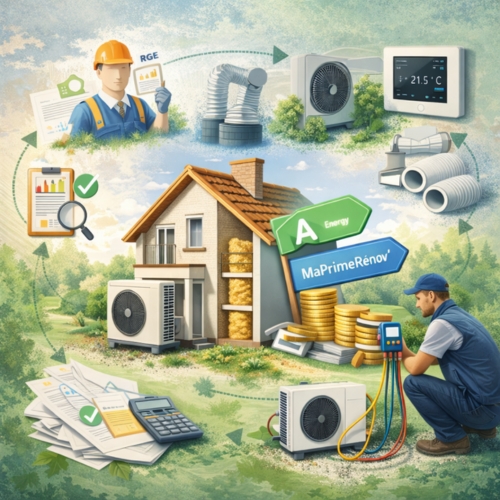
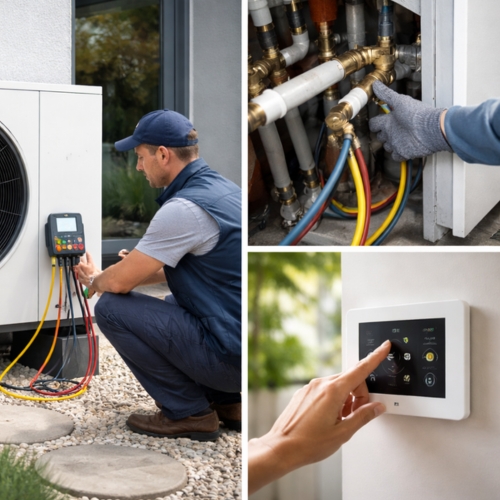
A heat pump can be considered to replace an old oil or gas system. Its suitability depends on thermal requirements, the level of protection provided by the building envelope, the heat emitters and the space available. A thermal assessment can help size the installation more accurately after the main improvements to the building.
Insulation
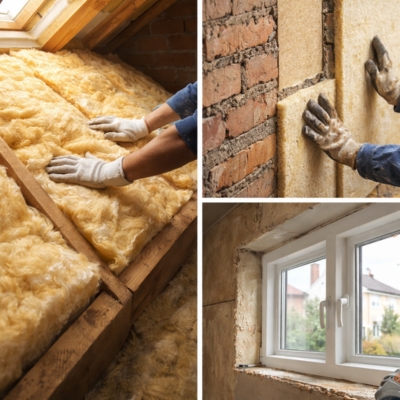
Insulation works may concern the loft, walls, roof or certain floors. In an older brick or timber-framed building, the choice of materials must respect the behaviour of the construction. In a more recent detached house, the priorities may be different. The aim is to improve performance without applying the same solution to every type of home.
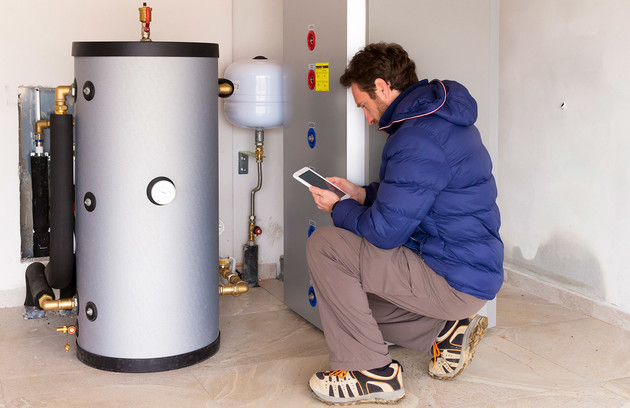
Thermodynamic water heater
A thermodynamic water heater can be considered for domestic hot water production. Its installation depends on the available location, connections and household requirements. In a house as well as in a flat, its integration must remain coherent with the other equipment in the project.
Energy audit
An energy audit makes it possible to analyse consumption, heat losses and equipment. It usefully complements the DPE when several renovation scenarios need to be compared. In Beauvais, the energy audit can help decide between treating the loft, replacing the windows, upgrading the heating system or intervening on other areas before requesting quotations.
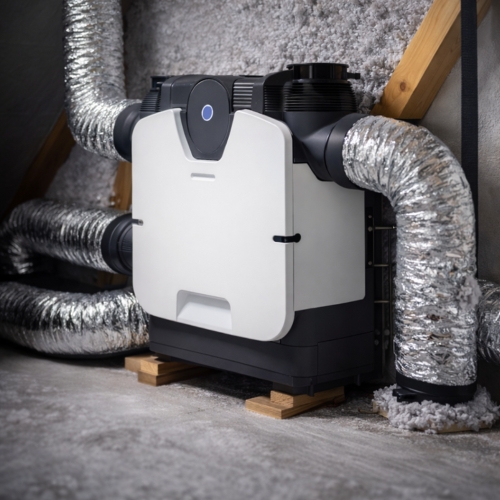
Mechanical ventilation
Ventilation must be reviewed when the windows and building envelope make the home more airtight. Suitable mechanical ventilation contributes to air renewal and moisture management. It must be considered alongside the other interventions in order to preserve indoor air quality after improvements to the property.
Smart thermostat
A smart thermostat makes it possible to control heating more effectively according to schedules and usage. It can reduce certain unnecessary consumption, but does not replace necessary work on a poorly performing building envelope. Its usefulness depends on the existing system and the level of thermal performance already achieved.
Typical projects in Beauvais
Flat in a Reconstruction-era building
The initial assessment may reveal ageing windows, an uneven building envelope or equipment replaced at different times. Private interventions must be distinguished from those that fall under the co-ownership. The energy audit then helps identify relevant actions at flat level and those requiring a collective decision.
Older brick or timber-framed house
This type of construction requires particular attention to the walls, moisture, loft and ventilation. Internal insulation can be considered, but its composition must be compatible with the building. On a major project, an architect may be involved to address issues that go beyond thermal performance alone.
Detached house with an old oil or gas boiler
Before replacing the equipment, it is useful to examine the loft, windows and other sources of heat loss. Improvements to the building envelope can reduce heating requirements. The new system can then be selected according to the future condition of the house rather than solely on the basis of past consumption.
Grants for your works in Beauvais
Several schemes can be considered for an energy renovation: MaPrimeRénov’, the CEE (energy savings certificates) scheme, reduced VAT and the éco-PTZ (zero-interest eco-loan). Anah is also involved in various pathways linked to housing improvement. Certain grants require the use of an RGE-certified professional. Conditions vary according to the property, project and applicant’s situation; they must be checked before a programme of works is finalised.
France Rénov’ provides access to public information about existing pathways. The use of RGE-certified professionals may be required for certain schemes. Surveys, the DPE and the energy audit also help clarify the technical content of the project. To present your situation to GRAM Énergie, use the contact page. You can also consult France Rénov’ to check national conditions.
The schemes must be considered according to the interventions, the property and the conditions applying when the application is made.
How we work

Assessment of the existing property
We identify the type of property, available surveys, equipment and interventions already carried out.

Analysis of heat losses
The walls, loft, windows, ventilation and heating are examined in order to identify the main weaknesses.

Building the project
Solutions are compared according to the construction, performance objectives and constraints of the property.
Organisation of the interventions
The stages are put into order in order to coordinate the building envelope, equipment and any co-ownership decisions.

Project monitoring
The support maintains consistency between the assessment, schemes examined, technical choices and their implementation.
We also work across Hauts-de-France
GRAM Énergie also supports renovation projects in Amiens, Saint-Quentin and Lille. To view the other areas of the département, go to the page dedicated to energy renovation in Oise. The page dedicated to energy renovation in Hauts-de-France provides access to the other areas of the region.
Frequently asked questions
What is the difference between a DPE and an energy audit before buying in Beauvais?
The DPE provides an assessment of the property’s performance. The energy audit goes further when several intervention scenarios need to be compared and the effects of different solutions understood. For a purchase involving major renovation, this information can help estimate priorities before defining the project.
How should a 1960s to 1980s detached house with a poorly insulated loft be treated?
The loft should be examined alongside the other areas: walls, windows, floors and heating. Treating it may be a priority, but it should form part of an overall approach. A thermal assessment helps explain the distribution of heat losses before solutions are selected.
Is an architect necessary for all renovation works in Beauvais?
No. An architect may be involved in certain major projects or where changes to the building go beyond simple energy improvements. For more targeted interventions, their involvement is not systematic. The need depends on the nature of the works, the construction and any regulatory constraints.
Why check energy performance before changing a boiler?
Because thermal requirements may decrease after treating the loft, walls or replacing windows. Sizing the new equipment after these improvements makes it possible to take account of how the house will perform in future rather than reproducing the characteristics of the old system.
Which documents are useful before considering a renovation in Beauvais?
Prepare the DPE, available surveys, consumption bills, information about the heating system, previous interventions and co-ownership documents where they exist. These elements make the energy audit and definition of priorities easier. To send your request to GRAM Énergie, use the contact page.
Let’s talk about your project
Tell us about your home and your goals: we help you prioritise the works and identify the grants worth looking into.